Residential vs. Commercial Security

While the fundamental goal of any security system is protection, the strategies, hardware, and operational requirements differ vastly depending on the environment. Understanding the distinctions between high-end residential security and commercial enterprise deployments is essential for designing a system that meets the unique demands of the property and its occupants.
Aesthetic Integration vs. Visible Deterrence
In luxury residential environments, aesthetics and discretion are paramount. Homeowners want robust protection without their property looking like a maximum-security prison. Residential systems heavily favor low-profile dome cameras, hidden sensors, and flush-mounted access keypads that blend seamlessly into the architectural design. The goal is to provide comprehensive security that is felt rather than seen, preserving the comfort and elegance of the home.

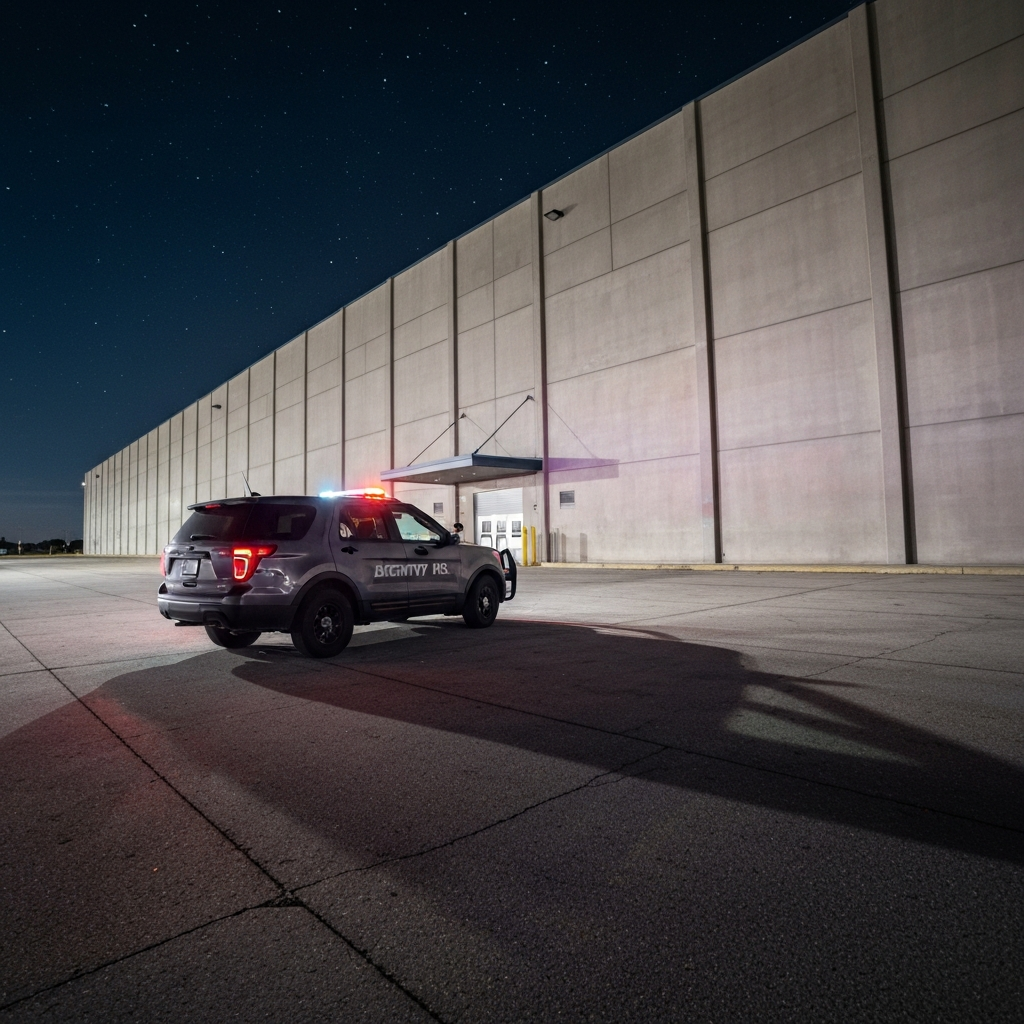
Conversely, commercial security often leans into visible deterrence. Large bullet cameras, prominent multi-sensor arrays, and highly visible access control readers serve as a clear warning to potential intruders or dishonest employees. While aesthetics still matter—especially in corporate lobbies or high-end retail—the primary objective is to project a hardened target. Commercial hardware is generally larger, more ruggedized, and designed to withstand harsh industrial environments and potential vandalism.
Scale, Complexity, and Integration
The scale and complexity of a commercial deployment far exceed that of a typical residence. A corporate campus may require hundreds of cameras, complex access control hierarchies with thousands of credentials, and integration with HR databases, fire alarms, and building management systems. Commercial Video Management Software (VMS) must handle massive data loads, support multiple concurrent operators, and provide advanced analytics for operational intelligence.
Residential systems, while smaller in scale, often require deep integration with home automation platforms. A luxury homeowner expects their security system to communicate seamlessly with their lighting, climate control, and AV systems. For instance, arming the security alarm at night should automatically lock all doors, turn off interior lights, and lower the thermostats. The focus in residential security is heavily weighted toward lifestyle convenience, remote access via mobile apps, and intuitive user interfaces.
Storage Requirements and Compliance
Data retention requirements present another major divergence. Commercial entities are often bound by strict industry regulations, insurance mandates, or corporate policies that dictate how long security footage must be stored—sometimes ranging from 90 days to several years. This necessitates massive, scalable storage infrastructure, often utilizing a hybrid of local NVRs and secure cloud archiving to ensure compliance and protect against liability.
For residential applications, storage requirements are typically much lighter. A rolling 14 to 30-day archive is usually sufficient to capture any incidents that occur while the homeowner is away on vacation. While cloud backup is increasingly popular for residential systems to protect against theft of the local recorder, the overall storage footprint and associated costs are significantly lower than those required for commercial compliance.
Conclusion and Next Steps
Securing your property is not a one-time event but an ongoing process of assessment, implementation, and maintenance. As technology continues to evolve, the capabilities of security systems will only expand, offering even greater protection and convenience. By staying informed about the latest advancements and working with experienced professionals, you can ensure that your security measures remain effective against emerging threats. Whether you are upgrading an existing system or starting from scratch, the principles outlined in this guide will serve as a solid foundation for your security strategy.
Remember that the most effective security solutions are those that are tailored to your specific needs and seamlessly integrated into your daily operations. Take the time to evaluate your vulnerabilities, define your objectives, and explore the various options available. With the right approach, you can create a safe and secure environment that protects your assets, your people, and your peace of mind.
