Integrating Cameras with Access Control

In the realm of commercial and enterprise security, video surveillance and access control are the two most critical pillars. However, when these systems operate independently, their effectiveness is inherently limited. Integrating your security cameras with your access control platform creates a synergistic defense mechanism that provides absolute visibility and control over who enters your facility and what they do once inside.
Visual Verification and Anti-Tailgating
The primary benefit of integrating these systems is visual verification. When an employee swipes a keycard or uses a biometric scanner to unlock a door, the access control system logs the event. In an integrated environment, the VMS automatically associates that log entry with the corresponding video footage from the camera monitoring that door. If a security incident occurs, investigators do not have to cross-reference timestamps between two different systems; clicking on the access event instantly plays the video of the person entering.
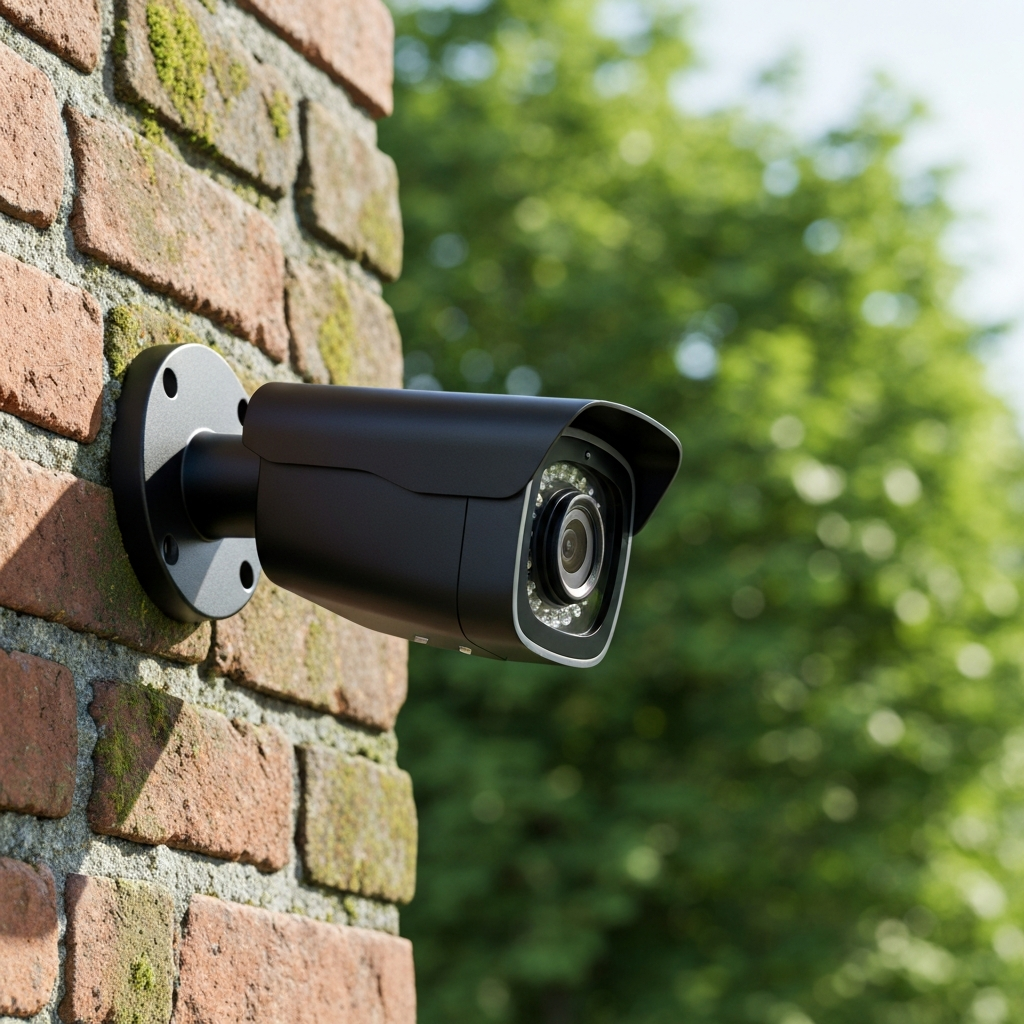
This integration is essential for combating 'tailgating'—a common security vulnerability where an unauthorized person slips through a door held open by an authorized employee. Advanced AI cameras can count the number of people passing through a doorway and compare it to the number of valid badge swipes. If two people enter on a single swipe, the system instantly triggers a tailgating alarm and alerts security personnel to intercept the unauthorized individual.
Frictionless Access with Facial Recognition
The integration of video and access control is paving the way for frictionless entry. Using advanced facial recognition technology, authorized employees no longer need to fumble for keycards or remember PIN codes. As an employee approaches the secure entrance, the camera scans their face, matches it against the encrypted database, and signals the access control system to unlock the door—all without the person breaking stride.

This technology not only provides a highly convenient, touchless experience but also significantly enhances security. Keycards can be lost, stolen, or shared, but biometric data cannot. If an unauthorized individual attempts to use a stolen badge, the facial recognition system will detect the mismatch, deny entry, and instantly alert the security operations center with a live video feed of the perpetrator.
Automated Lockdown and Emergency Response
In emergency situations, integrated systems save lives by automating complex responses. If a highly critical security event is detected—such as an active threat identified by an AI camera or a forced entry at a perimeter gate—the integrated platform can initiate an automated facility lockdown. The access control system instantly secures all exterior doors and sensitive interior zones, while the VMS tracks the threat and pushes live video to responding law enforcement.
Furthermore, during an evacuation, the access control system can provide real-time mustering reports to ensure all employees have safely exited the building. When combined with video analytics, security teams can quickly locate individuals who may be trapped or hiding, directing emergency responders precisely where they are needed. Integration transforms disparate hardware into a cohesive, life-saving intelligence network.
Conclusion and Next Steps
Securing your property is not a one-time event but an ongoing process of assessment, implementation, and maintenance. As technology continues to evolve, the capabilities of security systems will only expand, offering even greater protection and convenience. By staying informed about the latest advancements and working with experienced professionals, you can ensure that your security measures remain effective against emerging threats. Whether you are upgrading an existing system or starting from scratch, the principles outlined in this guide will serve as a solid foundation for your security strategy.
Remember that the most effective security solutions are those that are tailored to your specific needs and seamlessly integrated into your daily operations. Take the time to evaluate your vulnerabilities, define your objectives, and explore the various options available. With the right approach, you can create a safe and secure environment that protects your assets, your people, and your peace of mind.
