
Professional Installation Best Practices

While the consumer market is flooded with DIY security cameras, deploying a reliable, enterprise-grade surveillance system requires a level of expertise that goes far beyond simply mounting a camera to a wall. Professional installation is the bedrock of system reliability. It ensures that the hardware is optimized for the environment, the network is secure, and the entire ecosystem functions flawlessly when you need it most.
Infrastructure and Cabling Standards
The physical infrastructure is the circulatory system of any security deployment. Professional installers adhere to strict cabling standards to ensure maximum data throughput and power delivery. This involves using high-quality, solid-copper Category 6 (Cat6) Ethernet cables rather than cheaper copper-clad aluminum alternatives that degrade signal quality over distance. Furthermore, all exterior cabling must be UV-rated and properly shielded to withstand the elements and prevent electromagnetic interference.

Cable management is not just about aesthetics; it is about security and longevity. Technicians run cables through protective conduit, ensuring they are hidden from view and inaccessible to vandals who might attempt to cut them. Proper termination of network jacks and the use of weather-sealed glands on outdoor cameras prevent moisture ingress—one of the leading causes of camera failure. A professionally installed system leaves no exposed vulnerabilities.
Network Configuration and Cybersecurity
A security system is only as secure as the network it resides on. Integrating dozens of IP cameras into a network without proper configuration can create massive vulnerabilities, potentially allowing hackers to access camera feeds or pivot into the broader corporate network. Professional installers mitigate this by creating dedicated Virtual Local Area Networks (VLANs) specifically for surveillance traffic. This isolates the cameras from the rest of the network, ensuring that even if a camera is compromised, the corporate data remains safe.
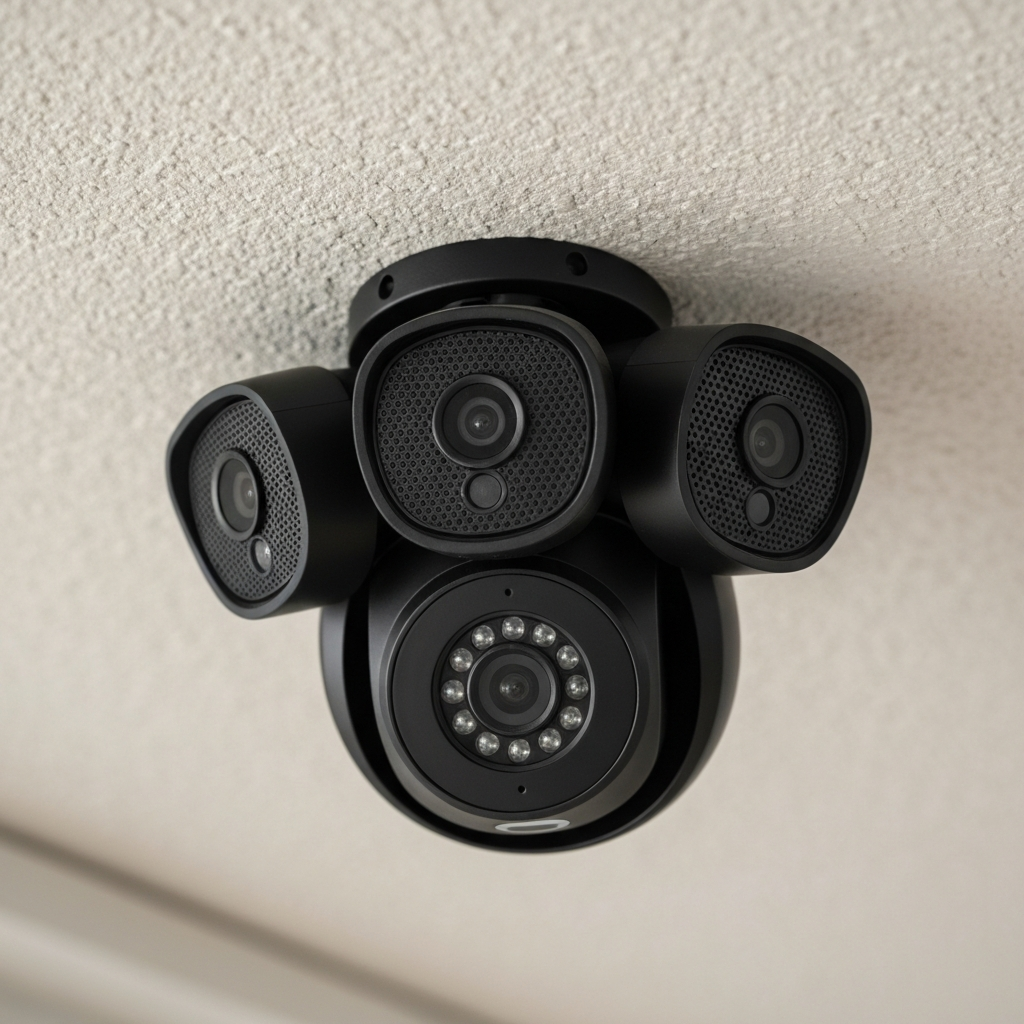
Cybersecurity best practices are rigorously applied during installation. This includes disabling unused network ports, changing all default manufacturer passwords to complex, unique credentials, and ensuring that the camera firmware is updated to the latest secure version. Furthermore, remote access is configured using secure, encrypted VPNs or dedicated cloud tunnels, rather than risky port-forwarding techniques that expose the system to the open internet.
Calibration and System Tuning
Mounting the camera is only the first step; the true expertise lies in calibration. Technicians meticulously adjust the camera's focal length, focus, and viewing angle to ensure the target area is captured with maximum clarity. They configure advanced image settings such as Wide Dynamic Range (WDR) to balance high-contrast lighting—like a dark lobby with bright sunlight streaming through the windows—ensuring that faces remain visible rather than appearing as dark silhouettes.
Finally, the system's AI and motion detection algorithms must be carefully tuned to the specific environment. This involves setting up virtual tripwires, defining inclusion and exclusion zones, and adjusting sensitivity thresholds to eliminate false alarms caused by moving foliage or shadows. A professionally installed and tuned system operates quietly in the background, alerting you only when a genuine security event occurs, thereby maintaining trust and operational efficiency.
Conclusion and Next Steps
Securing your property is not a one-time event but an ongoing process of assessment, implementation, and maintenance. As technology continues to evolve, the capabilities of security systems will only expand, offering even greater protection and convenience. By staying informed about the latest advancements and working with experienced professionals, you can ensure that your security measures remain effective against emerging threats. Whether you are upgrading an existing system or starting from scratch, the principles outlined in this guide will serve as a solid foundation for your security strategy.
Remember that the most effective security solutions are those that are tailored to your specific needs and seamlessly integrated into your daily operations. Take the time to evaluate your vulnerabilities, define your objectives, and explore the various options available. With the right approach, you can create a safe and secure environment that protects your assets, your people, and your peace of mind.