
The Future of Security Technology

The physical security industry is undergoing a rapid transformation, driven by exponential advancements in computing power, artificial intelligence, and connectivity. What was once considered science fiction is rapidly becoming standard practice in enterprise security deployments. Understanding the trajectory of these emerging technologies is crucial for organizations looking to future-proof their security investments and maintain a proactive defensive posture.
The Shift to Edge Computing
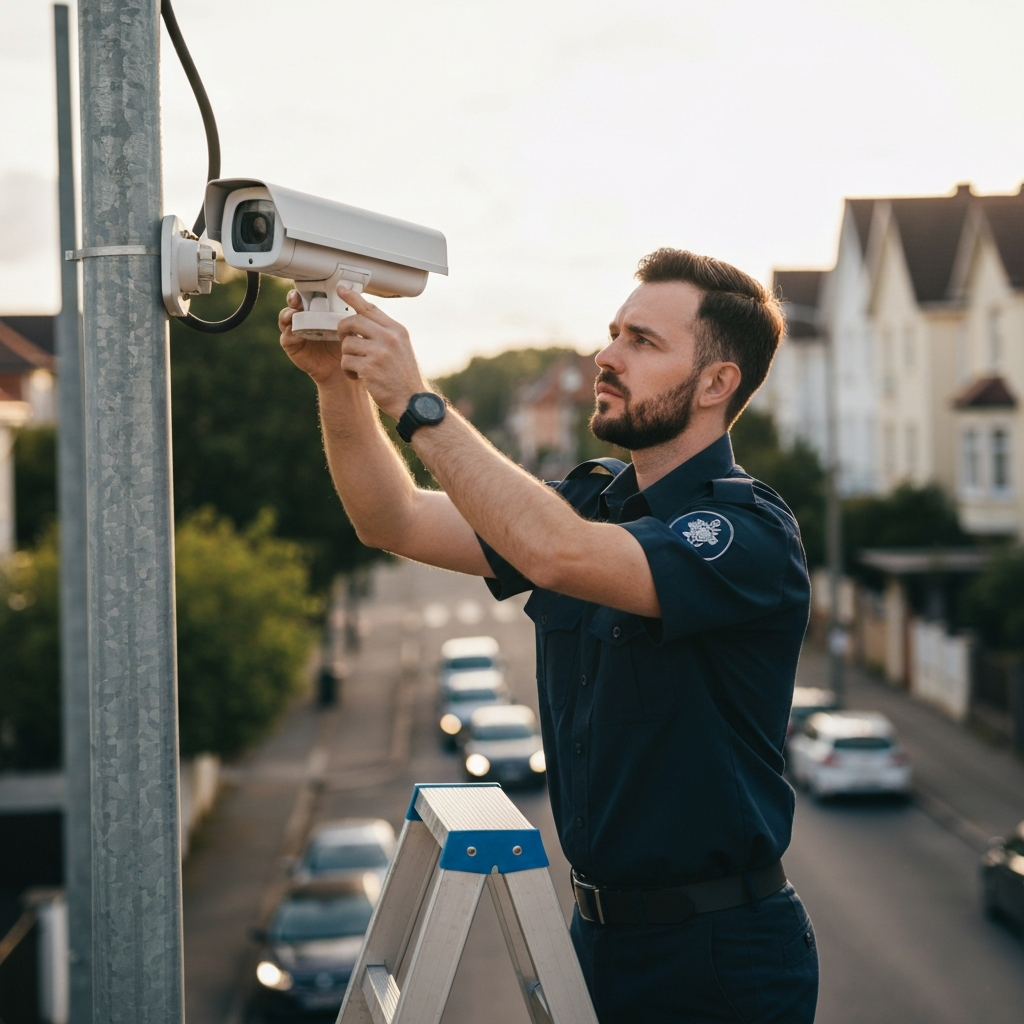
Historically, security cameras were 'dumb' sensors that simply funneled raw video data to a central server where all the heavy processing and AI analysis occurred. This centralized approach requires massive bandwidth and powerful, expensive servers. The future lies in Edge Computing. Modern cameras are now equipped with powerful neural processing units (NPUs) that allow them to run complex AI algorithms directly on the device—at the 'edge' of the network.

By processing data locally, edge cameras only need to send metadata or small video clips to the server when a specific event occurs, drastically reducing network strain and storage costs. This decentralized architecture also increases system resilience; if the network goes down, the camera can still autonomously detect threats, trigger local alarms, and store critical footage until connectivity is restored.
Autonomous and Aerial Surveillance
The concept of static surveillance is evolving into dynamic, mobile security. Autonomous security robots and drone patrols are increasingly being deployed to secure large perimeters, industrial sites, and corporate campuses. These autonomous units can navigate complex environments, utilizing thermal imaging, LiDAR, and high-definition cameras to identify anomalies, detect unauthorized personnel, and even identify environmental hazards like gas leaks or fires.
When an edge camera detects a perimeter breach, it can automatically dispatch an autonomous drone to the exact GPS coordinates of the intrusion. The drone provides immediate, high-angle video tracking of the suspect, giving security teams critical situational awareness before they even arrive on the scene. This integration of fixed sensors and mobile response units represents the ultimate in proactive threat management.
Predictive Analytics and Unified Platforms
As AI systems ingest more data, they are moving from reactive detection to predictive analytics. Future security platforms will analyze vast amounts of data—including video feeds, access control logs, social media sentiment, and weather patterns—to identify subtle correlations and predict security incidents before they happen. For example, the system might recognize a pattern of reconnaissance behavior outside a facility and elevate the security posture automatically.
Furthermore, the barrier between physical security and cybersecurity is dissolving. Future platforms will offer unified dashboards that monitor both physical breaches and network intrusions simultaneously. A compromised employee credential used at a physical door will be instantly correlated with unusual data access on the corporate network, providing a holistic view of the organization's threat landscape. The future of security is intelligent, integrated, and relentlessly proactive.
Conclusion and Next Steps
Securing your property is not a one-time event but an ongoing process of assessment, implementation, and maintenance. As technology continues to evolve, the capabilities of security systems will only expand, offering even greater protection and convenience. By staying informed about the latest advancements and working with experienced professionals, you can ensure that your security measures remain effective against emerging threats. Whether you are upgrading an existing system or starting from scratch, the principles outlined in this guide will serve as a solid foundation for your security strategy.
Remember that the most effective security solutions are those that are tailored to your specific needs and seamlessly integrated into your daily operations. Take the time to evaluate your vulnerabilities, define your objectives, and explore the various options available. With the right approach, you can create a safe and secure environment that protects your assets, your people, and your peace of mind.
