Strategic Camera Placement
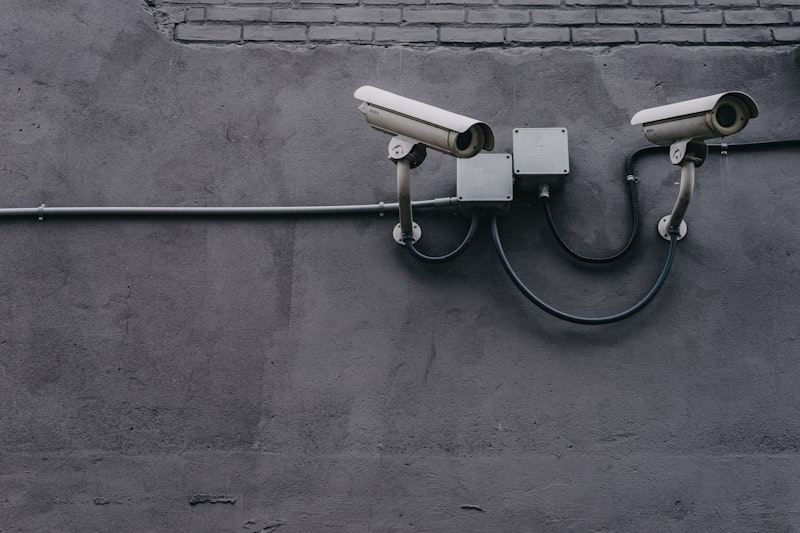
Even the most advanced, high-resolution security camera is rendered ineffective if it is positioned poorly. Strategic camera placement is an art and a science, requiring a deep understanding of the property's layout, potential vulnerabilities, and the specific operational goals of the surveillance system. Proper placement ensures maximum coverage, deters criminal activity, and guarantees that captured footage is usable for identification and evidence.
Securing the Perimeter and Entry Points
The first line of defense in any security strategy is the perimeter. Cameras should be positioned to monitor all property lines, gates, and parking areas. When securing the exterior, it is crucial to place cameras at choke points—areas where individuals must pass through to enter or exit the property. This includes driveways, pedestrian walkways, and alleyways. For perimeter monitoring, bullet cameras with powerful infrared illumination are typically preferred to ensure clear visibility across long distances at night.

Entry points are the most critical areas for camera placement. Every exterior door, including main entrances, loading docks, and emergency exits, must be covered. A common mistake is mounting cameras too high above a doorway, resulting in footage that only captures the tops of people's heads. To capture clear facial features, cameras at entry points should be mounted at a lower height or positioned to capture individuals as they approach the door, rather than when they are standing directly underneath it.
Interior Monitoring and High-Value Targets
Inside the property, camera placement should focus on public areas, hallways, and spaces housing valuable assets. In retail environments, cameras must monitor point-of-sale (POS) terminals to deter employee theft and resolve transaction disputes. In corporate offices, lobbies and elevator banks are critical monitoring points. It is important to ensure that interior cameras are positioned to avoid severe backlighting from windows, which can wash out the image and obscure details.
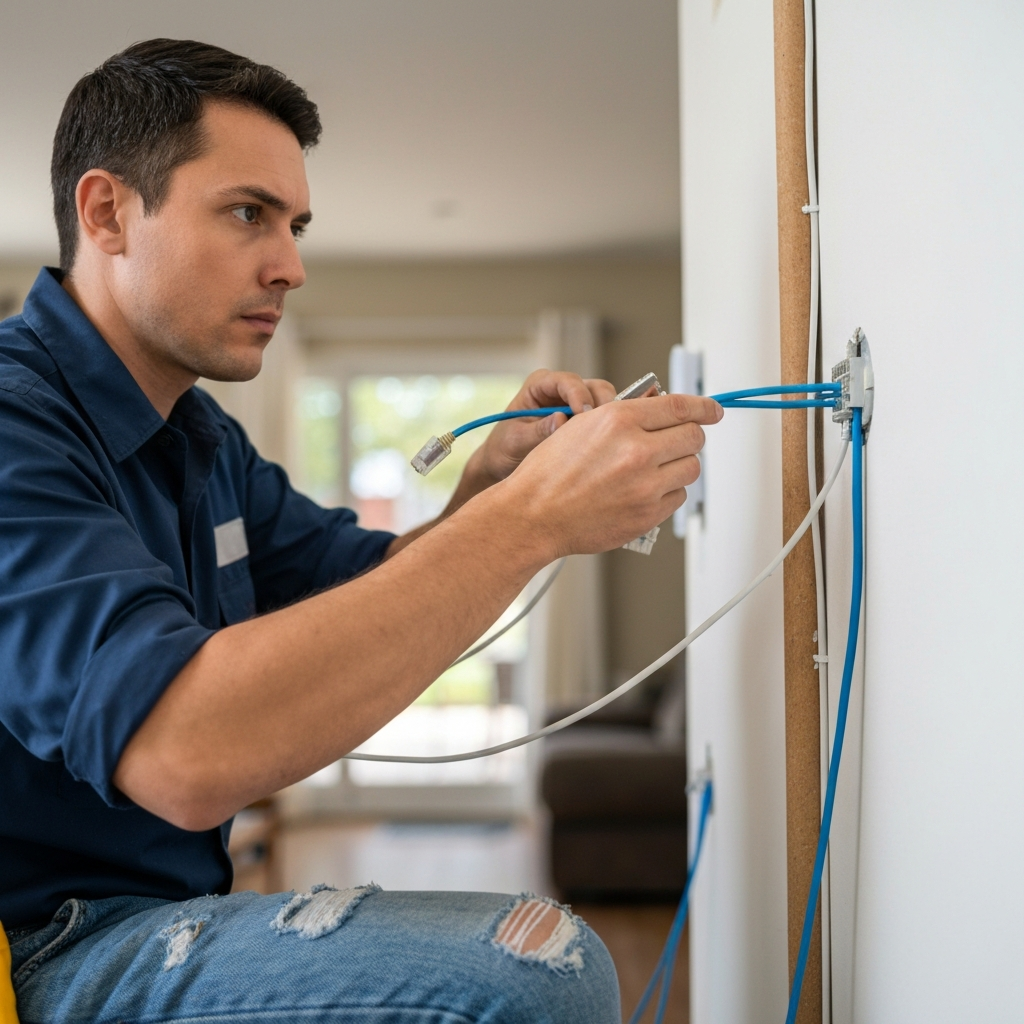
When protecting high-value targets, such as server rooms, safes, or inventory storage, a layered approach is recommended. One camera should provide a wide-angle overview of the room, while a secondary, narrowly focused camera should be trained directly on the asset or access keypad. This combination ensures that you capture both the broader context of an incident and the specific details necessary for identification.
Overcoming Environmental Challenges
Environmental factors play a significant role in camera placement. Outdoor cameras must be positioned to minimize glare from the sun, which can blind the sensor during certain times of the day. Mounting cameras under eaves or utilizing sun shields can mitigate this issue. Additionally, care must be taken to ensure that foliage, trees, or structural elements do not obstruct the camera's field of view, keeping in mind that trees will grow and change with the seasons.
Vandalism and tampering are constant threats to surveillance systems. Cameras should be mounted high enough to be out of easy reach—typically at least 9 feet off the ground—while still maintaining an optimal viewing angle. In high-risk areas, utilizing vandal-resistant dome cameras and concealing wiring within conduit or walls is essential to prevent perpetrators from disabling the system before committing a crime. Strategic placement not only captures the incident but actively protects the integrity of the security system itself.
Conclusion and Next Steps
Securing your property is not a one-time event but an ongoing process of assessment, implementation, and maintenance. As technology continues to evolve, the capabilities of security systems will only expand, offering even greater protection and convenience. By staying informed about the latest advancements and working with experienced professionals, you can ensure that your security measures remain effective against emerging threats. Whether you are upgrading an existing system or starting from scratch, the principles outlined in this guide will serve as a solid foundation for your security strategy.
Remember that the most effective security solutions are those that are tailored to your specific needs and seamlessly integrated into your daily operations. Take the time to evaluate your vulnerabilities, define your objectives, and explore the various options available. With the right approach, you can create a safe and secure environment that protects your assets, your people, and your peace of mind.
